Spain attracts English speakers with sunshine, a relaxed lifestyle and a growing number of international companies. Mallorca in particular offers seasonal work in tourism and year-round roles in services, real estate and remote-friendly industries. Finding a job there takes preparation, patience and a clear idea of what employers expect from foreign applicants.
Where the Jobs Are
Tourism and hospitality dominate the island economy, with hotels, restaurants, yacht services and tour operators all hiring every season. Real estate agencies, language schools and customer support centers also look for English speakers.
Remote workers add a newer layer, bringing income from abroad while living locally.
Seasonal Versus Year-Round Work
The main season runs roughly from April to October. Contracts for these months are common and often include accommodation or meals.
Year-round roles are fewer but more stable, and they usually go to candidates who already live on the island and speak some Spanish.
Why Spanish Still Matters
English opens many doors, but even basic Spanish improves your chances. Managers value staff who can talk with suppliers, neighbors and local authorities.
Learning daily vocabulary before you arrive shows commitment and helps you settle faster.
Preparing Your CV
Spanish employers often expect a one or two page CV with a photo, a short profile and clear dates. List languages with honest levels, and mention any certificates.
Tailor the document to each role instead of sending the same file to everyone.
Documents You May Need
Work contracts, residence procedures and bank accounts may require official papers. Diplomas, criminal record certificates and civil documents often need a sworn translation.
Applicants frequently search for a reliable birth certificate in spanish translation service early, because delays here slow everything else.
Legalization and Apostilles
Some documents must also be legalized so Spanish authorities accept them. This usually means an apostille from the issuing country before translation.
Our guide to apostille translation explains the steps and the order in which to complete them.
Visas and Work Permits
Citizens of European Union countries can work freely in Spain. Others generally need a visa or permit linked to a job offer or a qualified profession.
Rules change, so check current requirements with official consulates before you book flights.
Using Official Job Portals
Public employment services and European networks list vacancies and explain worker rights. The EURES job mobility portal is a useful starting point for cross-border searches.
Combine it with local boards, company websites and recruitment agencies on the island.
Networking Locally
Many Mallorca jobs are filled by word of mouth. Visit expat meetups, coworking spaces and community groups to hear about openings before they are advertised.
A friendly conversation at a cafe can lead to an interview faster than a dozen online applications.
Understanding Contracts
Spanish contracts specify working hours, trial periods, holidays and social security contributions. Ask for a copy in a language you understand and clarify anything unclear.
If the text is complex, a certified translator can explain terms before you sign.
Cost of Living and Housing
Rents on the island can be high, especially in summer. Start searching early, consider shared flats and compare areas outside the coast.
Factor in transport, since public buses are limited in some regions.
Opening a Bank Account and Tax Number
You will need a foreign identification number, known as NIE, to work, rent and open accounts. Appointments can take weeks, so begin the process quickly.
Keep copies of all papers in both digital and paper form.
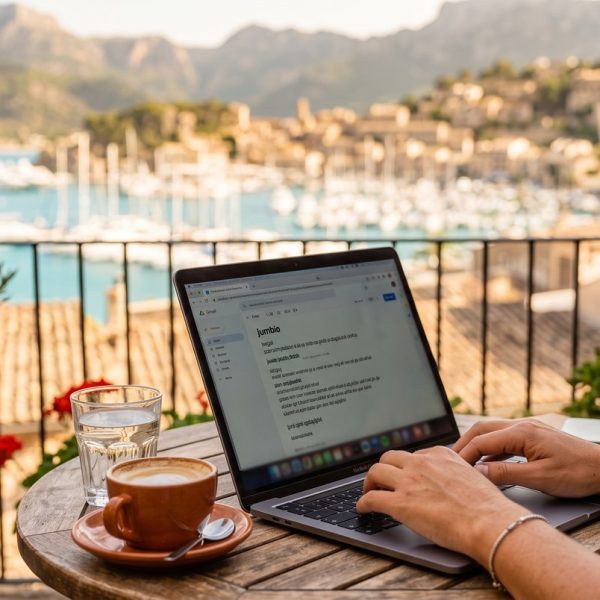
Working Remotely From Mallorca
Digital nomad schemes and freelance options attract many foreign professionals. Check tax residency rules carefully and confirm that your employer allows work from abroad.
Reliable internet and a quiet space matter more than a sea view when deadlines arrive.
Language Exchange Opportunities
Local classes and informal exchanges help you practice Spanish and meet neighbors. Many English speakers also find Catalan phrases appreciated in Mallorca, since the island has its own regional language.
Small efforts build respect and friendships.
Avoiding Common Mistakes
Do not pay fees to unknown agencies promising guaranteed jobs, and do not arrive without savings. Read offers carefully and verify companies through official registries.
Patience protects both your money and your peace of mind.
Planning Your First Months
Arrive with enough funds for two to three months, a temporary place to stay and photocopies of your documents. Spend the first weeks registering, networking and applying.
With steady effort, many newcomers secure a position within a season and build a life on the island.
Interview Tips for Foreign Applicants
Arrive early, dress neatly and greet people politely in Spanish. Employers appreciate a friendly attitude and flexibility with schedules.
Prepare answers about your experience with international guests, teamwork and long shifts.
Staying Motivated
The first season can be tiring, with long hours and new routines. Keep weekly goals, explore the island on days off and connect with other newcomers.
Many people who start with a summer job end up staying for years.